



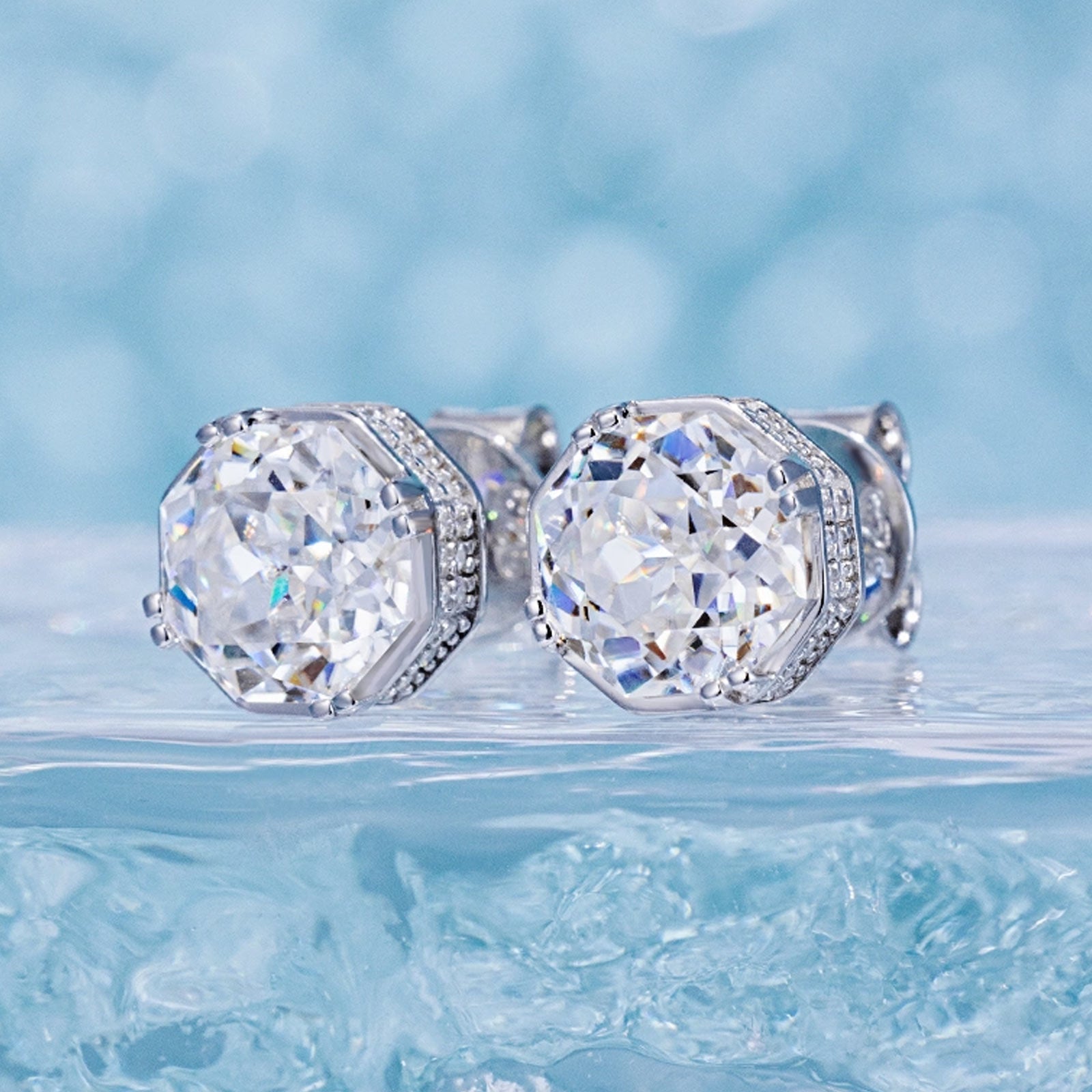
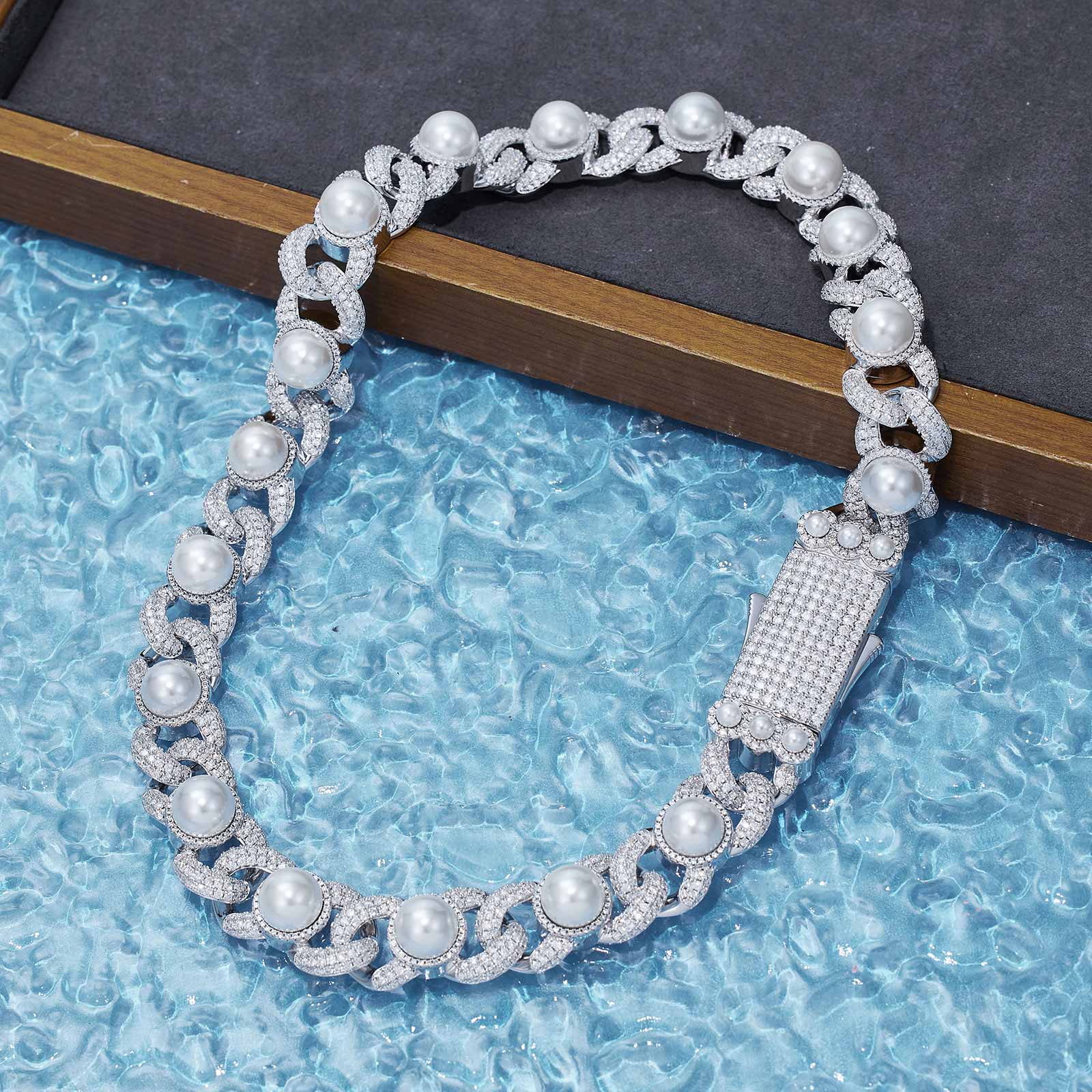
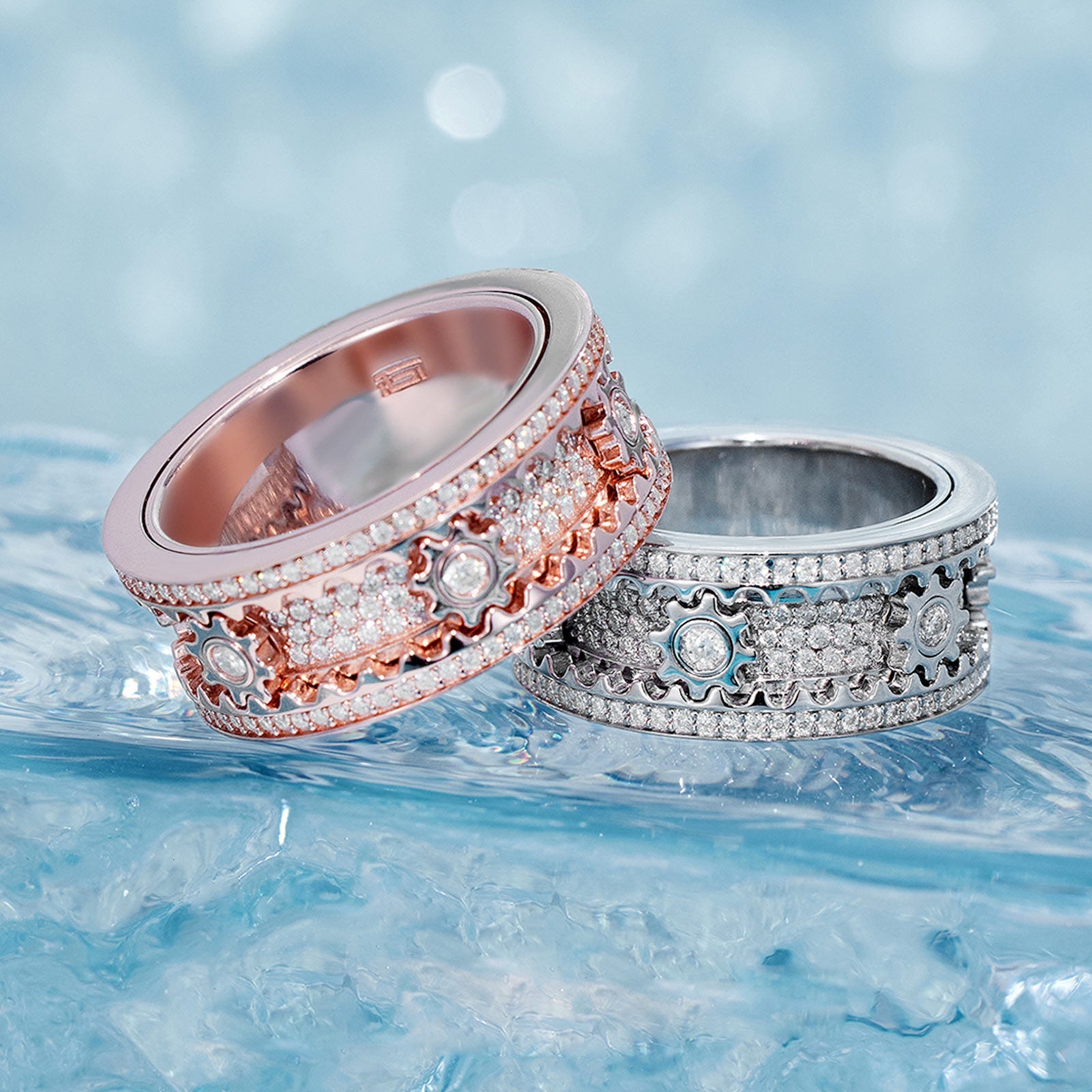
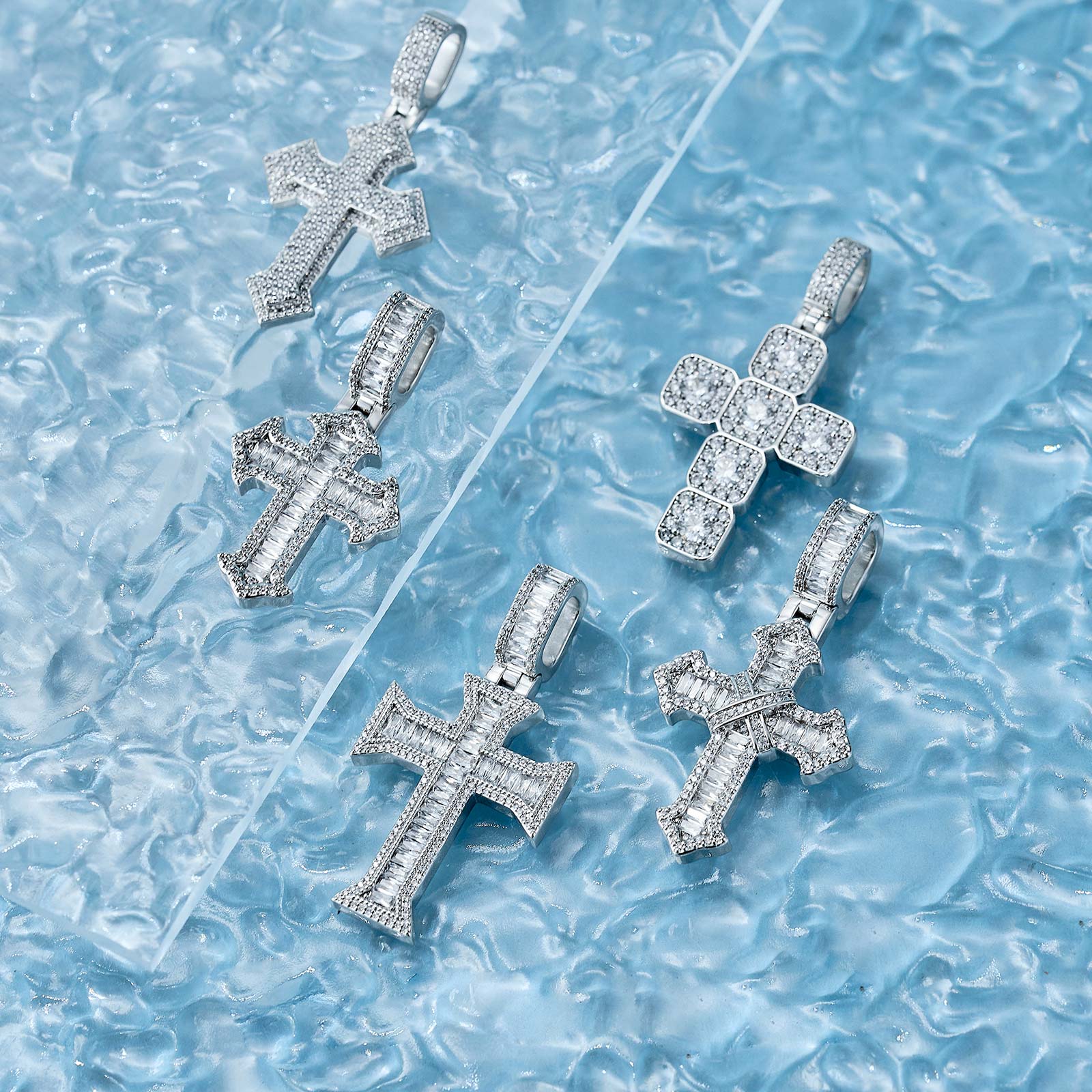

You’ve seen the videos. Someone pulls up in a matte-black wrap, iced out from the neck up, and a hater comes through with that little black pen. The tension is real. The probe touches the stone, the meter climbs, and then—BEEP.
Green lights. Solid.
The question everyone keeps hitting our DMs with is: Does moissanite pass the diamond tester?
In 2026, the game has changed, but the answer is still a resounding YES—if you know what you’re rocking. At ICEGIANT, we don’t do "instruction manual" talk. We do street luxury. We’re going to break down the science of why our stones hold their own, why those cheap testers get fooled, and why you can walk with your head high.
The Science: Why the "Beep" Happens
Let’s get into the guts of it. Most standard diamond testers you see on the street or in pawn shops are thermal conductivity testers.
Here’s the deal: Diamonds are freakishly good at moving heat. They are the ultimate thermal conductors. When that tester probe touches a stone, it sends a tiny pulse of heat. If the stone sucks that heat up instantly, the machine thinks, "Yo, that’s a diamond," and starts screaming.
Enter Moissanite. Moissanite isn't some cheap glass or Cubic Zirconia (CZ). CZ is basically a thermal insulator; it holds onto heat like a puffer jacket in July. That’s why CZ fails instantly—it's a "cold" stone.
But Moissanite? It’s a beast. Its crystal structure is so tight and efficient that its thermal conductivity is almost identical to a diamond's. In fact, to a basic thermal pen, the difference is invisible.
The Verdict: If the tester is measuring heat, Moissanite wins every single time. It’s not a "fake" pass; it’s a physical reality of the stone.
The 2026 Reality: Thermal vs. Electrical
Now, let’s keep it 100. Technology doesn't stay still. By 2026, more "Multi-Testers" have hit the market. These devices check two things:
Heat (Thermal)
Electricity (Conductivity)
While Moissanite mimics diamond's heat signature, it handles electricity differently because it’s made of Silicon Carbide. Some high-end diamonds (Type IIb) conduct electricity, but most don’t. Moissanite is a semiconductor.
So, if someone pulls out a $500 multi-tester, it might flag the difference. But let’s be real—who’s walking around the club or the cookout with a lab-grade multi-tester? The "street standard" is the thermal pen, and against that, ICEGIANT moissanite is king.
See It In Action: The ICEGIANT Flex
We don't just talk about it; we show it. We’ve put our pieces against the most common testers used in the industry today. Watch the ICEGIANT crew put our Moissanite to the ultimate test.
Why "Passing" Is Only Half the Flex
"Does moissanite pass diamond tester?" is the question that gets you in the door, but the fire is what keeps you there.
Street luxury isn't just about tricking a machine; it's about the "eye test." Moissanite actually has a higher refractive index than diamond.
Diamond: 2.42
Moissanite: 2.65
This means when the sun hits your ICEGIANT chain, it’s throwing off more "fire" (those rainbow flashes) than a natural stone. It’s louder. It’s bolder. It’s more confident.
Why Choose ICEGIANT Moissanite in 2026
9.25 Hardness: It’s right behind diamond (10) on the Mohs scale. It won't scratch, cloud, or fade. This is a lifetime piece.
Street Legitimacy: It passes the thermal tests that matter.
Zero Guilt: Lab-grown means no "blood diamond" BS. Just pure, clean drip.
Price Point: You can spend $50k on a VVS natural stone, or you can spend a fraction of that at ICEGIANT and put the rest of that cash into your business, your car, or your next move.
The Bottom Line
If you’re worried about some hater with a tester pen, don't be. Our Moissanite is engineered to reflect the same physical properties that make diamonds famous. It’s got the weight, it’s got the cold-to-the-touch feel, and it’s got the "Beep."
Stop checking the "instruction manual" and start checking your reflection. If you want that street luxury look without the gatekeeper prices, you know where to go.
Ready to upgrade your glow?


Leave a comment